
The first emergency feels different when the home is yours
Buying a first home is exciting, but the first plumbing emergency can feel overwhelming. A toilet overflows, a pipe bursts, hot water leaks across the floor, or a drain starts backing up, and suddenly there is no landlord to call first. Many new homeowners have never had to find the water meter, isolate a fixture, or decide whether the problem needs emergency plumbers or a standard booking.
The good news is that most plumbing emergencies become easier to manage when you know the first few steps. You do not need to understand the whole plumbing system. You need to stay calm, reduce immediate damage, and get the right help when the problem is beyond a simple household fix.
Know where your shut-off points are before you need them
The most useful thing a first homeowner can learn is where the main water meter and shut-off valve are located. In many homes, turning off the water can stop a burst pipe, failed flexible hose, or serious internal leak from causing further damage. Some fixtures may also have small isolation valves under sinks, behind toilets, or near appliances. Knowing these locations before an emergency saves time.
If you have gas appliances, you should also know how to shut off gas safely at the meter if instructed or if there is a clear smell of gas. Gas issues should be treated differently from a normal leak. Do not test with flames, do not ignore the smell, and seek appropriate emergency advice.
What counts as urgent and what can wait
A plumbing issue is usually urgent when water is actively escaping, sewage is backing up, a toilet is unusable, and there is no alternative; a gas smell is present, or the problem is affecting safety or essential services. A dripping tap, slow drain, or minor leak may still need attention, but it may not require an emergency response unless it worsens or starts causing damage.
First homeowners often swing between panic and delay. Neither helps. The practical approach is to ask what is happening right now. Is water still flowing? Is wastewater involved? Is the floor, ceiling, wall, or electrical area being affected? If the answer is yes, the situation should be treated more seriously.
Simple actions that can reduce damage
If water is leaking, turn off the relevant isolation valve or the main water supply if safe. Move furniture, rugs, and electrical items away from the wet area. Place towels or buckets only if they help control water without putting you at risk. Avoid using toilets, showers, sinks, or washing machines if wastewater is backing up, because adding more water can make the problem worse.
Take photos of the issue before and after any temporary steps. This can help explain the problem to a plumber and may be useful if insurance or property records are involved. Do not pull apart pipes or fixtures if you are unsure, because a small mistake can turn a manageable leak into a larger one.
Why online fixes can be risky during an emergency
It is tempting to search for a quick video when something goes wrong. Some basic guidance can be helpful, but emergency plumbing is not the best time to experiment. Homes can have different pipe materials, water pressure, valves, and drainage layouts. A method that looks simple online may not suit your system, especially if the video is from another country or assumes different fittings.
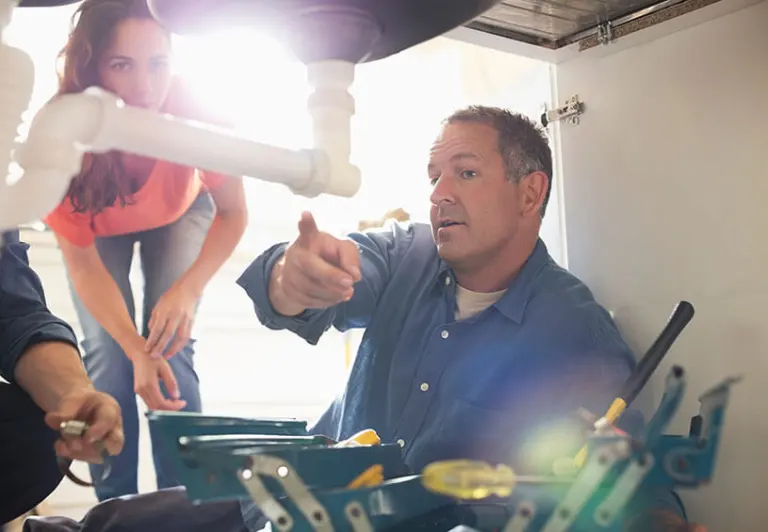
If the issue involves sewage, gas, burst water lines, hot water units, or water near electricity, it is safer to stop damage where you can and call an emergency plumber in Adelaide. The goal is not to become an expert under pressure. The goal is to prevent the situation from getting worse.
Build a small emergency plan for the future
Once the first emergency is resolved, take time to make a simple plumbing plan. Save the number of a plumber in your phone. Label the water meter or main shut-off point. Learn which fixtures have isolation valves. Check flexible hoses under sinks and near washing machines for bulging, rust, or dampness. Keep a torch somewhere easy to find.
For first home owners in Adelaide, it can also be useful to ask a plumber about the age and condition of the main drains, hot water system, and visible pipework. A short inspection can help you understand what parts of the home may need attention before they become urgent.
Conclusion
Your first plumbing emergency as a homeowner can be stressful, but a calm response makes a real difference. Turn off water where safe, avoid using affected fixtures, protect the area, take photos, and call emergency plumbers when there is active leakage, sewage, gas concern, or safety risk. After the problem is fixed, use the experience to prepare your home so the next issue is easier to handle.