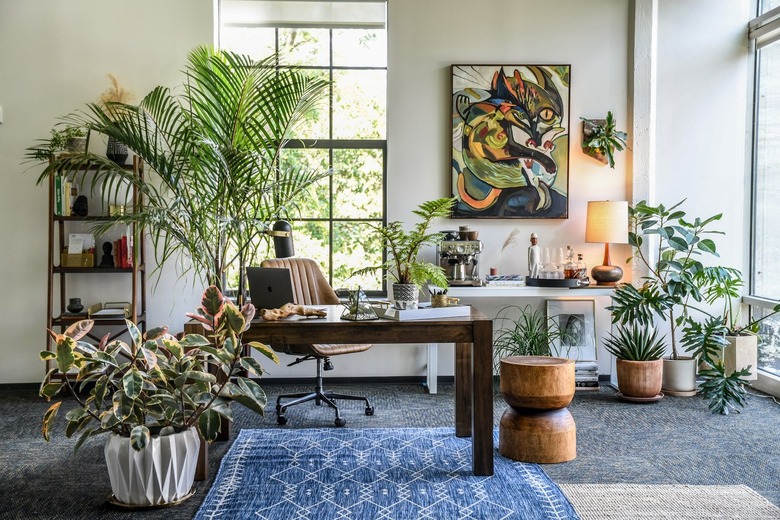
Walk into any plant shop, and you’ll be hit with a hundred options, no labels explaining which ones survive your dim hallway or your forgetful watering habits. Here’s the simple truth: the best indoor plants for you depend on your light, how much care you can realistically give, and whether the plant is going in a living room or sitting on a desk at work. There’s no single best plant for everyone. Once you know your space and your habits, picking the right green roommate gets a lot easier, and this breaks it down room by room and light level by light level.
Best Indoor Plants for the Home
Homes offer more variety in light, humidity, and space than most offices, which means there are more good options, but also more ways to pick the wrong one.
Living Room
The living room usually gets the best natural light in the house, making it the right place for showier, more dramatic plants. The best picks here:
- Fiddle Leaf Fig: Large, glossy leaves that make a bold statement in a bright corner
- Monstera Deliciosa: Fast-growing with distinctive split leaves, suits larger spaces well
- Bird of Paradise: Tall, tropical look that thrives in bright indirect or direct light
- Peace Lily: Works in lower light corners and adds white blooms without needing much sun
Bedroom
Bedrooms suit calmer, easy-to-maintain plants that don’t need much attention and cope well with variable light from curtained windows. The snake plant is the strongest choice here, tolerating low light and needing watering only every couple of weeks.
Pothos trails beautifully from a shelf or nightstand and survives in dim conditions without any fuss. If the bedroom gets a sunny windowsill, lavender adds a mild, natural fragrance and brings a touch of the outdoors in. Avoid large, aggressive growers since limited floor space makes oversized plants impractical.
Bathroom
Bathrooms have the humidity most tropical plants naturally prefer, which makes them ideal for species that struggle to stay hydrated in drier rooms. Three plants that consistently thrive here:
- Boston Fern: Loves the steam from showers and thrives on a shelf or in a hanging pot
- Spider Plant: Handles low light and high moisture well, trails attractively over a counter
- ZZ Plant: Survives almost any bathroom condition, including rooms with no natural window
Kitchen
Kitchens tend to offer warmth and a windowsill with decent sun, which opens up herbs and compact decorative plants alongside the usual options.
- Herb garden: Basil, rosemary, thyme, and mint all thrive on a sunny windowsill and serve a practical purpose in cooking
- Pothos: Handles splashes and dim corners equally well, one of the most forgiving plants for a kitchen shelf
- String of Pearls: Suits a bright shelf as a trailing accent plant
- Aloe Vera: Thrives on a sunny windowsill and doubles as a remedy for minor burns
Best Indoor Plants for the Office
Office environments tend to have lower light, less humidity, and longer stretches without attention. The best office plants handle all three without needing frequent intervention.
Desk Plants
Desk plants need to stay compact, work under artificial or low natural light, and survive the occasional forgotten watering. The ZZ plant handles all three reliably: glossy, structured, and virtually indestructible under fluorescent lighting.
Hoyas are another strong desk choice, since their waxy leaves handle inconsistent watering and the plant grows slowly enough to stay compact for years. Small succulents and cacti work well near any window, need almost no water, and cost very little to replace if they don’t make it.
Low Light Office Spaces
Windowless offices or interior meeting rooms are challenging, but a few plants handle them reliably:
- Snake Plant: One of the most tolerant plants available, handles fluorescent lighting and infrequent watering without complaint
- Pothos: Adaptable to very low light, grows quickly, and can trail down a shelf to add life to an otherwise bare corner
- Chinese Evergreen: Tolerates low light and neglect better than most plants and comes in a range of attractive leaf patterns
In addition, rotating any low-light plant to a brighter spot occasionally, even once a month near a window, helps them stay healthy longer.
Open Plan or Shared Office Spaces
Larger shared spaces can support bigger plants in common areas, especially near windows or in well-lit breakout zones. Monsteras and rubber plants both work well here, since they’re visually striking, handle a range of light conditions, and grow large enough to fill an empty corner without looking sparse.
Peace lilies suit dimmer communal spots and are one of the few flowering plants that don’t need direct sun. Dracaenas work well near reception areas and conference room windows where height adds structure to an otherwise flat space.
A Few Basic Care Notes
Keeping any of these plants alive comes down to one main habit: watering correctly. Most indoor plants die from overwatering rather than underwatering.
- Let the top inch of soil dry out before watering again, and always use pots with drainage holes.
- Keep plants away from direct HVAC vents, since constant airflow dries out leaves faster than the roots can compensate.
- Rotate pots occasionally so all sides get even light, and dust leaves every few weeks so they can absorb light efficiently.
Bottom Line
Choosing the best indoor plants comes down to matching the plant to the reality of your space rather than forcing a plant to adapt to conditions it doesn’t enjoy. Low-light rooms, bright windows, busy schedules, and office environments all call for different choices, and getting those basics right usually matters more than picking the trendiest plant in the shop.
For anyone still deciding between options, seeing plants in person and talking through light conditions, placement, and care expectations often makes the decision much easier. That’s part of why places like Growing Wild continue to be a useful resource for both first-time plant owners and longtime collectors looking for something that genuinely fits their home or workspace.