
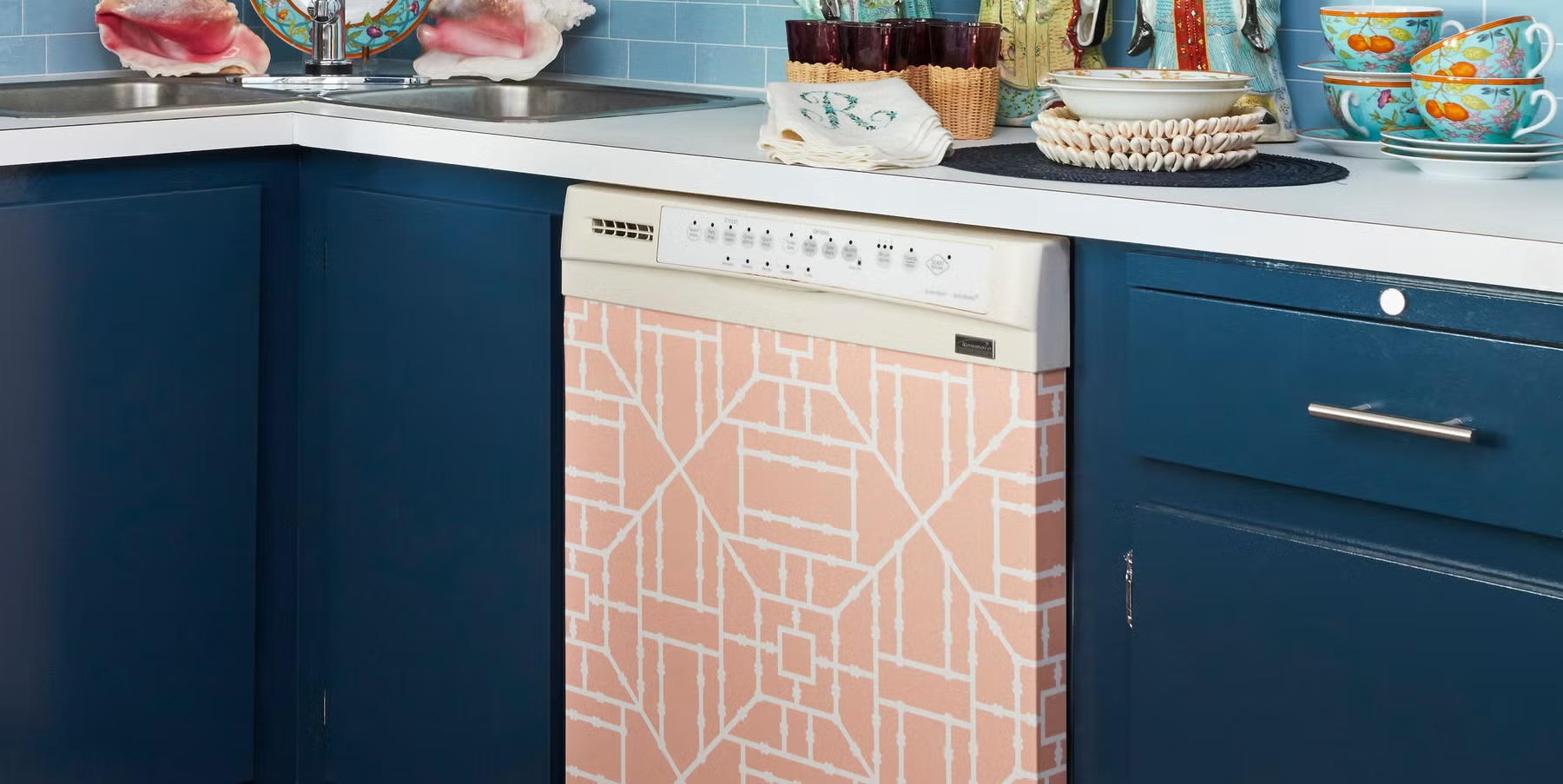
Contact paper ideas work best on compact surfaces where a little color, pattern, or texture can make an ordinary feature feel more considered. Drawer interiors, shelf backs, desk organizers, cabinet panels, trays, and small tabletops are good examples because they require little material but remain visible enough to justify the effort.
Smaller projects are also a practical way to learn how adhesive paper behaves before attempting a larger surface.
Begin With Low-Risk Areas
Inside drawers and cabinets is one of the easiest places to use contact paper. Minor cutting imperfections are less visible, yet the finished surface can make everyday storage feel cleaner and more intentional.
Browsing small-space decorating ideas may also reveal overlooked surfaces where a small pattern could add interest without competing with the rest of the room.
Line Shelves for a Controlled Accent
Open shelving benefits from carefully chosen contrast. A dark paper behind pale dishes or a subtle pattern behind books can create depth without changing the entire piece.
Removable shelf liners can also make future changes easier.
Give Small Furniture a New Top Surface
Nightstands, utility carts, side tables, and basic desks can handle stronger contact paper designs because their surfaces are limited. Wood, marble, terrazzo, and solid matte finishes are common choices.
Use decorative surface ideas as visual inspiration when considering how a small wrapped surface will relate to surrounding furniture instead of judging the pattern by itself.
| Small Surface | Contact Paper Style | Effect |
|---|---|---|
| Drawer interior | Small pattern | Hidden detail |
| Shelf back | Solid contrast | More depth |
| Side table | Wood or stone | New character |
| Storage box | Matte color | More uniform look |
Update Everyday Organizers
Contact paper can refresh basic containers, file holders, storage boxes, and desktop organizers. Using one finish across several inexpensive pieces can make mismatched accessories feel more coordinated.
Small projects also create an opportunity to practice measuring, cutting, and smoothing. Home update references can offer broader planning ideas for deciding which details are worth changing and which are better left alone.
Repeat One Material in Several Places
Using the same paper on two or three small surfaces can connect a room without creating a heavy theme. A desk organizer and nearby shelf backing, for example, can share the same finish.
Keep the repetition limited so the material remains an accent.
Get the Application Details Right
Clean the surface before installation and remove anything that could create bumps. Measure carefully, cut slightly oversized where trimming is easier afterward, and smooth the material gradually instead of removing the entire backing at once.
A straight edge or smoothing tool can help reduce trapped air. Corners deserve extra attention because poorly cut overlaps are especially visible on small objects.
Where Contact Paper Can Look Cheap
Contact paper usually looks least convincing when it tries to imitate an expensive material across a large, highly visible area without careful installation. Seams, mismatched patterns, peeling corners, or unrealistic scale can expose the effect.
Small surfaces are more forgiving. The material becomes a decorative detail rather than something expected to convincingly imitate an entire stone slab or custom wood installation.
Frequently Asked Questions
What surfaces can contact paper stick to?
Smooth, clean, non-porous surfaces usually provide the easiest installation. Rough texture, dust, grease, loose finishes, and uneven materials can reduce adhesion and make bubbles or lifted edges more likely.
Can contact paper be used inside kitchen cabinets?
It is commonly used on shelves and drawer interiors, provided the chosen product suits the surface. Keeping the area clean and dry helps protect edges and reduces premature lifting.
How can bubbles be avoided during installation?
Apply the paper gradually while smoothing from the center toward the edges. Working slowly keeps large pockets of air from becoming trapped and makes it easier to reposition the material before full adhesion.
Keep the Project Small and Precise
Contact paper is most useful when the project matches the material. A drawer, shelf, organizer, or small tabletop can gain a noticeable visual update without creating the cost or commitment of replacement. Choose one surface, install it carefully, and let a well-finished detail do more work than a rushed large-scale makeover.


