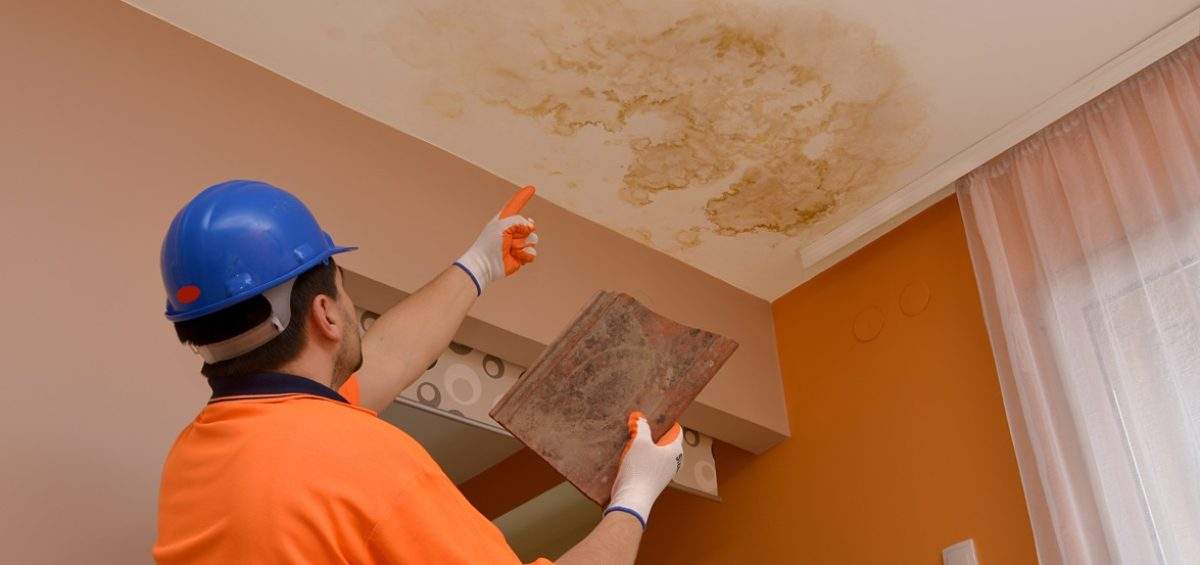
A ceiling stain is evidence that moisture reached the finished surface at some point, but the visible mark does not always reveal where the water started. Ceiling stain investigation should begin with observation, timing, and nearby plumbing or roof features. Finding the source early matters because repainting alone can hide evidence without correcting the cause.
Note When the Stain Changes
Photograph the stain and mark its approximate size in your maintenance notes. Pay attention to whether it darkens after rain, after a bathroom is used, during air-conditioning operation, or without any obvious trigger.
Keeping those observations with household inspection references makes it easier to compare events over several days instead of relying on memory. Timing often narrows the likely source more effectively than stain shape.
Look Above Before Looking Far Away
Consider what sits directly above or near the stain: a bathroom, attic, roof valley, plumbing line, HVAC equipment, or exterior wall. Water can travel along framing before appearing, so the source may still be some distance away.
Use Weather and Household Activity as Clues
A stain that grows after rain points attention toward roofing, flashing, vents, or exterior water entry. A stain that changes after showering or using an upstairs fixture may suggest plumbing or waterproofing should be checked.
Household projects often overlap, and a practical home reading list can help keep renovation ideas separate from repair observations. Investigation should remain focused on what was happening immediately before the stain changed.
| Stain Pattern | Possible Area to Check | Useful Clue |
|---|---|---|
| Changes after rain | Roof/exterior | Weather timing |
| Changes after fixture use | Plumbing | Water-use timing |
| Near HVAC equipment | Condensation/drainage | System operation |
| Old dry discoloration | Past leak | No recent change |
Inspect Safely Around Wet or Damaged Ceilings
Do not press, cut, or poke a ceiling that is bulging or heavily saturated. Wet drywall can lose strength, and water near electrical fixtures creates an additional hazard.
Once the area is safe to observe, look for peeling paint, soft edges, musty odor, or repeated discoloration. Maintenance notes kept with broader home-improvement reading can document whether the stain returns after repairs.
Confirm the Source Before Repainting
A stain-blocking primer can improve appearance after the underlying moisture problem is fixed and the surface has dried. Painting too early can conceal a recurring leak and make later investigation harder.
Why Stain Location Can Be Misleading
Water rarely respects room boundaries. It can run along pipes, framing, roof decking, or the upper surface of drywall before becoming visible at a low point. That means the darkest part of a stain may not sit directly beneath the leak.
Another mistake is assuming a dry stain proves the problem is gone. Intermittent roof leaks and occasional plumbing leaks may dry between events. Track what conditions make the mark change before deciding the issue has ended.
Frequently Asked Questions
Does every brown ceiling stain mean an active leak?
No. Some stains remain after an older leak has been repaired. Fresh darkening, dampness, growth, peeling paint, or recurring changes are stronger signs that moisture may still be present.
Can condensation create ceiling stains?
Yes. Condensation around HVAC components, cold pipes, ducts, or poorly controlled humidity can sometimes contribute to staining. The surrounding conditions help distinguish it from rain or plumbing-related leaks.
When should a ceiling stain be checked professionally?
Professional inspection is sensible when the source cannot be identified, staining keeps returning, the ceiling becomes soft or swollen, or the issue involves roofing, concealed plumbing, or electrical fixtures.
Find the Water Before Fixing the Finish
Treat the stain as a record of moisture movement. Photograph it, connect changes with rain or household activity, and inspect the most likely sources without disturbing unsafe ceiling material. Once the moisture source is corrected and the area is properly dry, cosmetic repair becomes worthwhile. Until then, fresh paint only hides the evidence you still need.