

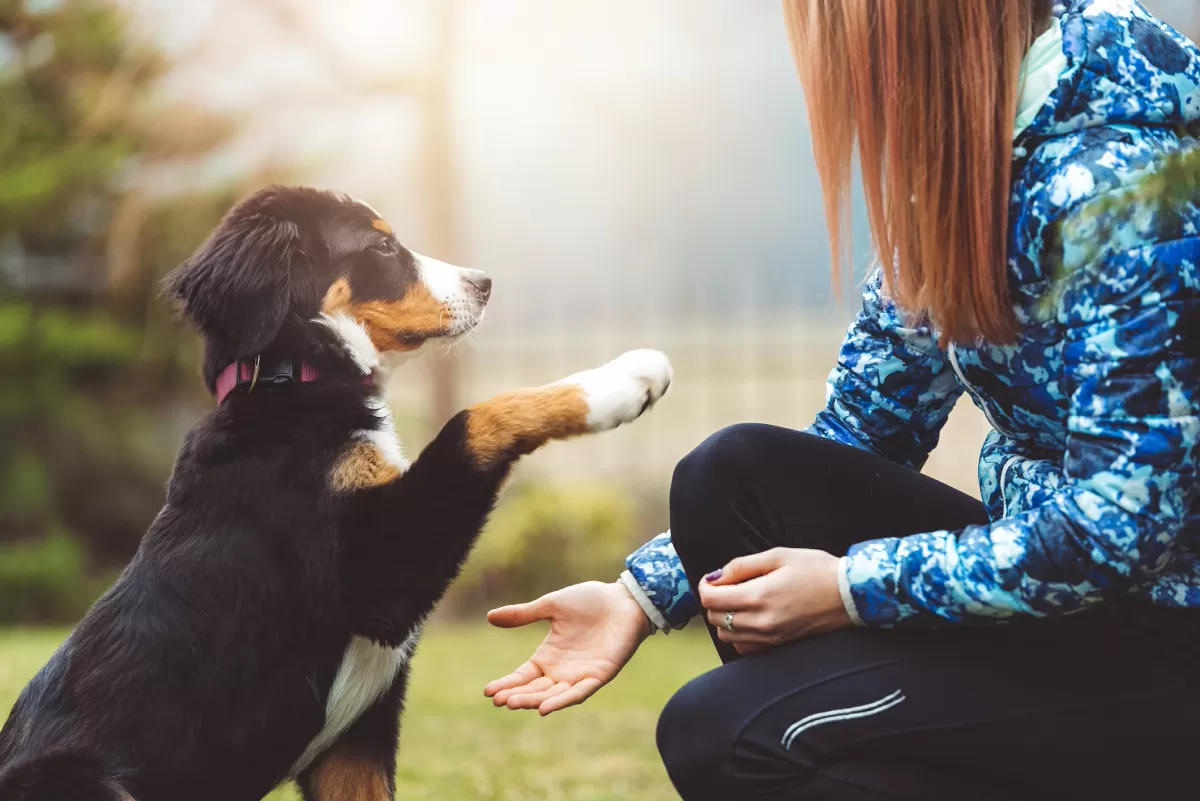
Good behavior does not happen by accident. Dog discipline training teaches dogs to understand boundaries, respond to commands, and make better choices in everyday situations. The goal is not to create fear or suppress a dog’s personality. Instead, effective training builds clear communication, consistent expectations, and reliable habits that make daily life easier for both dogs and their owners.
A well-trained dog can remain responsive around distractions, settle when excitement rises, walk politely on a leash, and follow basic commands when it matters most. These skills require patience, structure, and repetition, but with the right approach, training can become a practical and rewarding part of everyday life. Rob’s Dog Training helps owners build these skills through structured training designed around real-world behavior and obedience.
What Dog Discipline Training Really Means
Dog discipline training is often misunderstood as punishment or harsh correction. In reality, effective discipline is about teaching a dog what behavior is expected and consistently reinforcing those expectations.
Dogs learn through consequences and repetition. If jumping gets attention, jumping may continue. If calmly sitting results in interaction, the dog has a reason to repeat that behavior.
This is why successful obedience training focuses on communication rather than simply correcting mistakes.
A structured approach can help a dog learn:
- Basic obedience commands such as sit, down, stay, and come
- Appropriate leash behavior
- Calm greetings
- Impulse control
- Reliable recall
- Focus around distractions
- Household boundaries
- Appropriate responses to everyday situations
The objective is not perfection in a quiet room. The real test is whether your dog can apply its training when life becomes interesting.
Why Consistency Matters More Than Intensity
One of the biggest mistakes owners make is expecting discipline to develop after a handful of training sessions. Dogs need opportunities to practice the same behavior repeatedly in different situations.
For example, teaching “stay” in the living room is only the beginning. Your dog may understand the cue at home but struggle when a visitor arrives, another dog walks nearby, or an exciting smell captures its attention.
Consistency means keeping expectations clear across situations.
If you do not want your dog jumping on guests, everyone in the household should respond consistently. If your dog is expected to wait before going through a door, that expectation should not disappear when everyone is in a hurry.
Clear rules reduce confusion and make learning easier.
Build Dog Discipline Training Around Real-Life Skills
Training becomes more useful when it prepares dogs for situations they encounter every day. Rather than focusing exclusively on commands, owners should consider how those commands support practical behavior.
1. Teach Basic Obedience First
Sit, down, stay, place, heel, and recall can provide a foundation for more advanced behavior. These commands give owners useful ways to communicate with their dogs during walks, household activities, and unfamiliar situations.
Practice each skill in short sessions. Once your dog understands the behavior, gradually introduce mild distractions rather than immediately expecting reliable performance in a chaotic environment.
2. Practice Impulse Control
A disciplined dog does not need to react instantly to every interesting thing.
Impulse control can involve waiting for food, remaining in place when a door opens, walking calmly past distractions, or pausing before greeting someone.
Start with situations your dog can handle. Reward calm decisions and gradually increase the difficulty.
3. Address Jumping and Attention-Seeking
Jumping is often reinforced accidentally. A dog jumps, someone talks to it, pushes it away, pets it, or otherwise responds. From the dog’s perspective, the behavior produced interaction.
Instead, establish a predictable alternative.
Ask for a sit before greetings. Give attention when the dog keeps its paws on the floor. With repetition, calm behavior can become a more reliable way to receive attention.
4. Develop Reliable Recall
A dependable “come” cue can be one of the most important obedience skills a dog learns.
Begin in a controlled environment where success is likely. Reward your dog for returning promptly, then gradually practice around increasingly interesting distractions.
Avoid repeatedly calling your dog when you already know it will ignore you. Every unsuccessful repetition can make the cue less meaningful.
Discipline Should Continue Beyond the Training Session
A common misconception is that a professional dog trainer does all the work while the owner simply waits for results.
Owner participation matters.
Rob’s Dogs emphasizes teaching owners how to continue using training methods between sessions. Its private lessons involve working directly with the dog under trainer guidance, while Board & Train includes instruction for maintaining progress after the dog returns home.
This matters because dogs live in the owner’s environment, not inside a training session.
The family needs to know what cues to use, which behaviors to reinforce, and how to respond when the dog makes an undesirable choice. Consistency at home helps prevent mixed signals.
Use Distractions to Test Obedience
A dog that listens perfectly at home may behave differently at a park, shopping center, or busy sidewalk.
That does not necessarily mean the dog has forgotten its training. The environment simply presents more competing information.
Rob’s Dogs notes that much of its training takes place in real-world locations such as parks and shopping centers because dogs need to learn to listen around distractions.
Owners can apply the same principle by gradually changing the training environment.
Try practicing:
- In a quiet room
- In another area of the house
- In the backyard
- On a quiet walk
- Near mild distractions
- In busier public environments when the dog is ready
Progress should be gradual. If your dog cannot respond successfully, reduce the difficulty and build back up.
Puppy Training Creates Better Habits Early
Dog discipline training is not only for adult dogs with established behavior problems. Puppies can benefit from structure from the beginning.
Early training can introduce appropriate boundaries while helping puppies develop confidence and basic manners. Rob’s Dogs offers puppy training that includes obedience foundations, leash manners, socialization, recall, and impulse control.
Puppy owners should focus on teaching desired behaviors before unwanted habits become deeply established.
For example, teach a puppy where to eliminate, how to settle in a crate, how to respond to its name, and how to interact politely with people. House training also requires careful management because young puppies may not yet understand that an indoor accident was “wrong.”
Early structure gives owners a clearer foundation for future obedience.
When Professional Dog Training Can Help
Some behavior problems are difficult to address without experienced guidance. Persistent pulling, reactivity, excessive barking, poor recall, jumping, anxiety, or aggression may require a more individualized plan.
Professional training can also be helpful when an owner has tried multiple approaches without seeing consistent results.
Rob’s Dogs offers both private lessons and Board & Train programs. Its private training is customized around the dog’s needs and the owner’s goals, while Board & Train provides immersive training followed by guidance for maintaining progress at home.
The right approach depends on the dog’s behavior, temperament, learning history, and the owner’s ability to participate.
Make Good Behavior the Everyday Standard
The strongest dog discipline training is not about controlling every movement. It is about building communication that works when it matters.
Teach clear behaviors. Establish consistent boundaries. Practice around gradually increasing distractions. Reinforce the choices you want to see again, and give your dog enough repetition to understand what those choices mean.
Most importantly, remember that training is a shared process. Your dog is learning how to respond, while you are learning how to communicate clearly and consistently.
With the right structure, obedience can become part of everyday life rather than something that only happens during formal training sessions.
If you need guidance with obedience, behavior, puppy training, or real-world manners, Rob’s Dogs offers private lessons and Board & Train options designed around individual training goals. Starting with professional guidance can give you a clearer path toward a safer, calmer, and better-behaved companion.