
When a severe storm rolls through, your roof takes the brunt of the impact. High winds, hail, heavy rain, and flying debris can all cause serious damage that isn’t always visible right away. Understanding how to respond quickly and effectively can make all the difference in preventing long-term structural issues. If you suspect damage, knowing the basics of storm damage roof repair is essential for protecting your home.
What Counts as Storm Damage to a Roof?
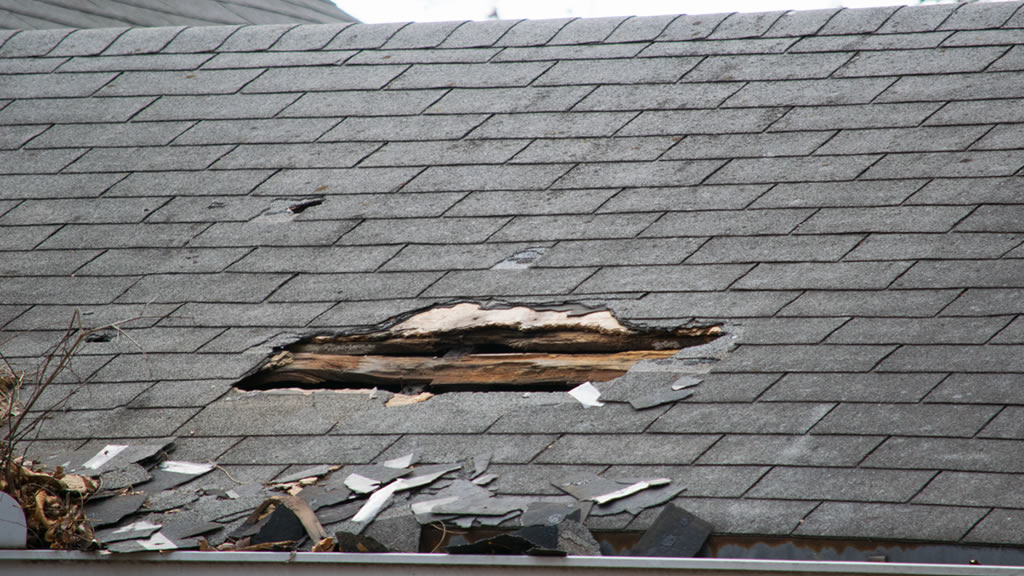
Storm damage can take many forms, depending on the type and intensity of the weather event. Strong winds can lift or completely remove shingles, leaving your roof deck exposed to moisture. Hail can create dents, cracks, or bruising in shingles that weaken their ability to repel water. Heavy rain often exposes vulnerabilities, leading to leaks or water intrusion. Even debris like tree branches can puncture roofing materials and create immediate hazards.
In many cases, the most serious issues are not obvious from the ground. Small cracks or lifted shingles can allow water to seep in gradually, leading to mold growth, insulation damage, and even structural deterioration over time.
What to Do Immediately After a Storm
After a storm passes, safety should always come first. Avoid climbing onto your roof right away, especially if conditions are still wet or unstable. Instead, perform a visual inspection from the ground. Look for missing shingles, sagging areas, or debris buildup. Inside your home, check for water stains on ceilings or walls, as these can indicate a developing leak.
If you notice signs of damage, it’s important to act quickly. Temporary measures like placing a tarp over exposed areas can help minimize further water intrusion. However, these are only short-term solutions. Prompt professional assessment is key to ensuring the damage is properly addressed.
The Importance of Professional Inspection
A trained roofing professional can identify both visible and hidden damage that homeowners might miss. They assess the integrity of shingles, flashing, underlayment, and ventilation systems to determine the full scope of the problem. This step is crucial in the storm damage roof repair process, as incomplete repairs can lead to recurring issues and higher costs down the line.
Professional inspections are also valuable when dealing with insurance claims. Detailed documentation of the damage helps ensure you have the necessary evidence to support your claim and receive appropriate coverage.
Repair vs. Replacement: What to Expect
Not all storm damage requires a full roof replacement. In many cases, targeted repairs can restore the roof’s functionality and extend its lifespan. This might include replacing damaged shingles, sealing leaks, or repairing flashing around vents and chimneys.
However, if the damage is widespread or the roof is already nearing the end of its lifespan, a replacement may be the more practical option. A professional assessment will help determine the most cost-effective and long-lasting solution.
Preventing Future Storm Damage
While no roof is completely immune to severe weather, there are steps homeowners can take to reduce risk. Regular inspections, especially before and after storm seasons, can help catch minor issues early. Keeping gutters clear, trimming overhanging branches, and ensuring proper attic ventilation all contribute to a stronger, more resilient roofing system.
Investing in high-quality materials and proper installation also plays a major role in how well your roof withstands extreme conditions.
Final Thoughts
Storms are unpredictable, but your response doesn’t have to be. Acting quickly after a weather event and understanding the basics of storm damage roof repair can help you avoid costly repairs and protect your home for years to come. Whether the damage is minor or severe, addressing it promptly ensures your roof continues to do its job—keeping your home safe, dry, and secure.