
A home can look beautiful in photographs and still feel surprisingly awkward to live in. A sofa might block the easiest route to the kitchen, shoes may constantly accumulate beside the entrance, or family members may have to walk across an entire room simply to reach something they use several times a day. These small inconveniences often have one thing in common. The home was arranged around appearance rather than the way people naturally move through it.
Good home design is not only about choosing attractive furniture, finishes, and colors. It is also about understanding everyday behavior. When rooms are planned around real routines, movement becomes easier, spaces stay organized more naturally, and the entire home can feel more comfortable.
Start by Watching Where People Actually Walk
Before moving furniture or planning renovations, observe how people use the home. Where do they enter? Where do they put their keys, bags, shoes, and coats? Which route do they take from the bedroom to the bathroom or from the kitchen to the dining table?
These repeated journeys create invisible pathways through a property. Furniture placed directly in those pathways can make even a large room feel cramped.
Rather than forcing people to move around furniture, design should support the route they already prefer. Sometimes shifting a chair, changing the position of a table, or moving storage closer to an entrance can improve a room without requiring any significant spending.
Design Entrances Around Arrivals and Departures
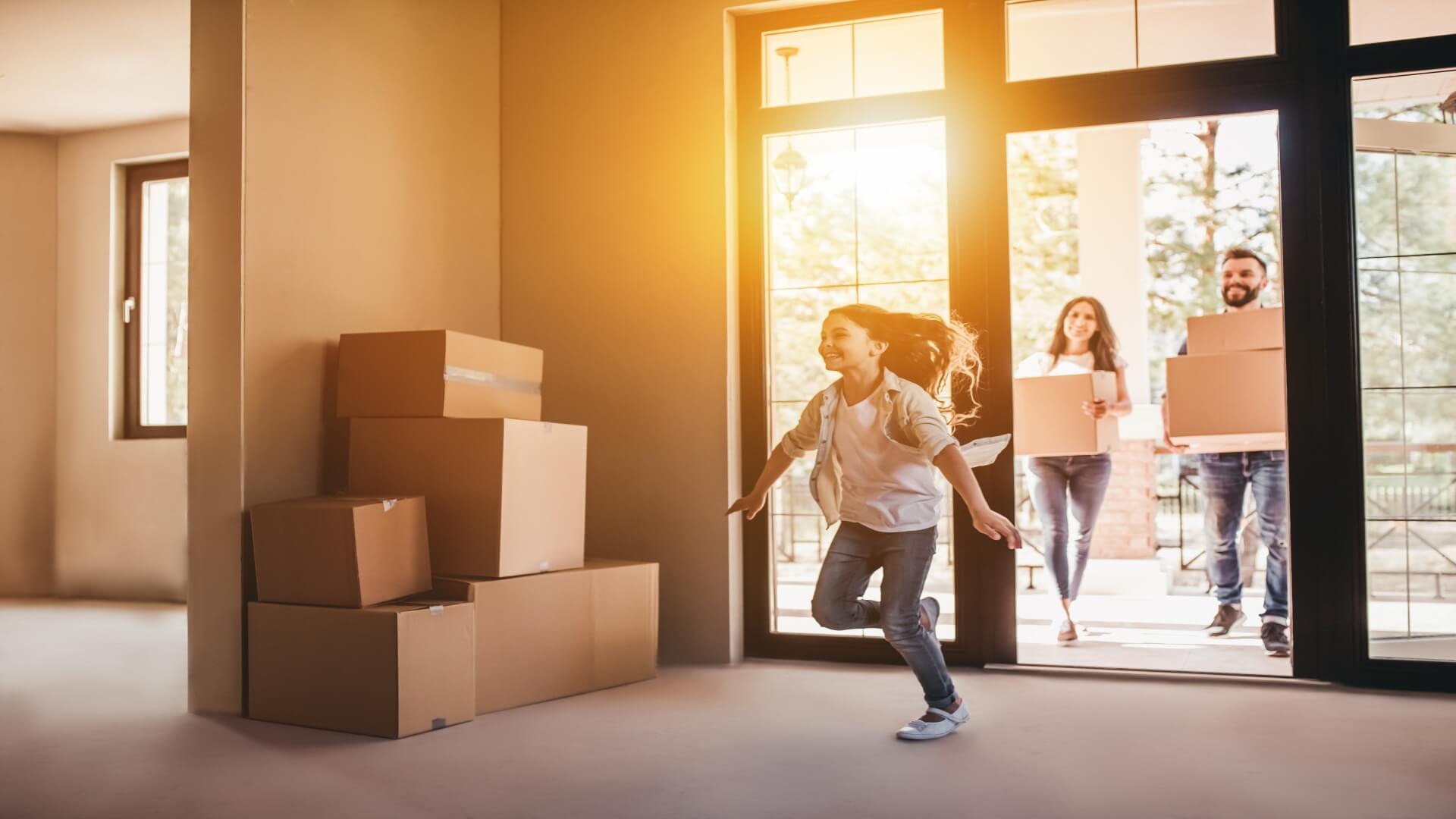
The entrance is one of the busiest transition points in many homes. People arrive carrying groceries, backpacks, umbrellas, packages, jackets, and countless smaller belongings.
If there is nowhere convenient to put these items, clutter usually appears on the nearest available surface.
Creating a practical arrival zone can help. Hooks, shoe storage, a small surface for keys, and an accessible place for bags can make departures easier as well. Families looking through parenting advice Australia resources may encounter elaborate organization systems, but a successful family entrance does not necessarily require expensive cabinetry. It simply needs to reflect what household members actually do when they walk through the door.
Keep Frequently Used Items Close to the Action
Storage is most effective when its location corresponds with where items are used.
Consider drinking glasses stored far from the refrigerator or cleaning supplies kept on another floor from the rooms cleaned most frequently. These arrangements create unnecessary movement every day.
The same principle works throughout a home. Towels should be convenient to bathrooms, everyday cookware should be close to food preparation areas, and commonly used electronics should have accessible charging locations.
Lifestyle resources such as sydhub.com.au can provide ideas for organizing contemporary homes, but homeowners should ultimately base storage decisions on their own habits. A system that looks perfect online may become frustrating if it does not match the household’s daily routine.
Give Busy Areas Enough Breathing Room
Some areas naturally experience more traffic than others. Hallways, kitchen entrances, stairways, and routes between living areas need enough open space for people to move comfortably.
Problems often appear when furniture gradually expands into these pathways. A decorative table in a hallway or an oversized armchair near a doorway might look attractive while making movement unnecessarily difficult.
Think about what happens when two people use the same area simultaneously. Can someone open the refrigerator while another person walks through the kitchen? Can a bedroom door open fully without hitting furniture? Can people move between a sofa and coffee table without turning sideways?
These practical questions can reveal design problems that measurements alone might miss.
Think About Movement in the Kitchen
The kitchen is particularly dependent on efficient movement because several activities happen within a relatively small area.
Food moves from storage to preparation, cooking, serving, and eventually cleaning. If those areas are positioned logically, everyday tasks require fewer unnecessary steps.
This does not mean every kitchen needs a complete redesign. Smaller changes can make existing layouts work better. Frequently used utensils can move closer to preparation surfaces. Everyday ingredients can occupy the easiest cupboards to reach. Less frequently used appliances can be moved away from valuable counter space.
An Australia blog discussing home improvement may showcase dramatic kitchen transformations, but practical organization can sometimes improve usability before renovation becomes necessary.
Plan Living Rooms for Movement as Well as Conversation
Living rooms frequently contain some of the largest furniture in a home, making thoughtful placement particularly important.
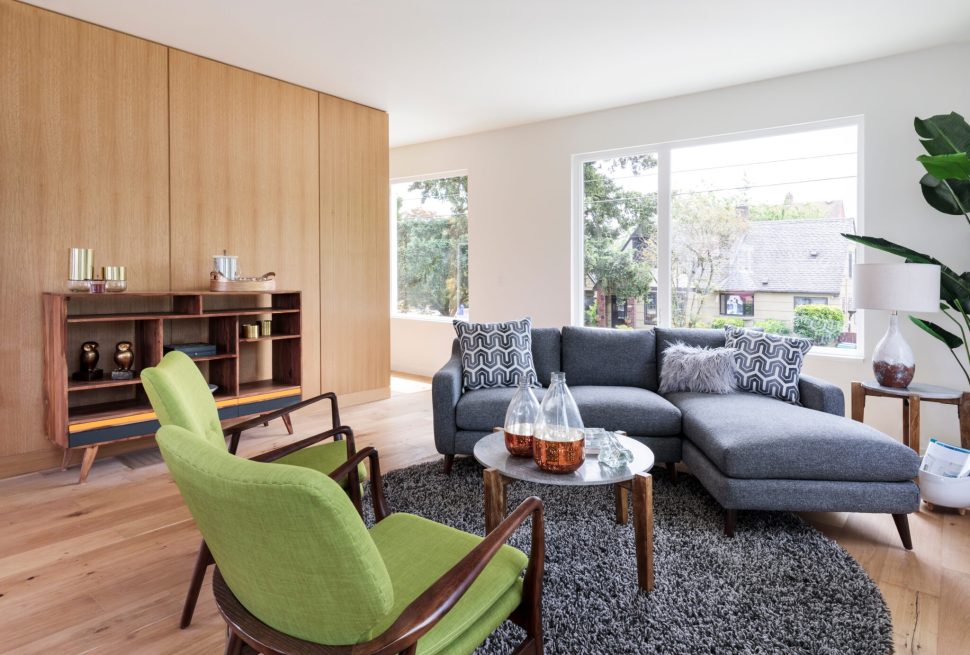
A common mistake is arranging everything around a television or architectural feature without considering how people enter and leave the room. If the natural route cuts directly through a conversation area, people may constantly walk between chairs or in front of others.
Instead, try to keep primary walking routes around seating areas where possible. Furniture should create comfortable zones without becoming barriers.
The goal is not perfect symmetry. A slightly unconventional arrangement may work far better if it reflects the shape of the room and the direction people naturally travel.
Remember That Homes Change Throughout the Day
A room rarely serves exactly the same purpose from morning until night.
A dining table might become a workspace during the day and a homework area in the afternoon before returning to its original purpose at dinner. A living room may function as a play area in the morning and an entertainment space later.
Flexible design recognizes these transitions.
Furniture that is easy to move, accessible storage, appropriate lighting, and clear surfaces can help rooms change functions without requiring constant rearrangement. Publications such as Vizz Australian Blog often explore changing lifestyle habits, and this flexibility has become particularly relevant as homes increasingly support work, relaxation, entertainment, and family activities simultaneously.
Look at Where Clutter Repeatedly Appears
Clutter can provide useful information about how a home is functioning.
If mail always accumulates on one particular counter, perhaps that location needs a small organizer. If shoes constantly appear beside a doorway despite having storage elsewhere, the existing storage may simply be inconvenient.
Instead of repeatedly moving these objects back to places nobody naturally uses, consider changing the system.
This approach treats clutter as feedback rather than automatically viewing it as a failure to stay organized. The location where something repeatedly ends up can reveal where it realistically belongs.
Consider Different Ages and Abilities
Movement through a home can vary considerably between household members. Children, older adults, tall people, shorter people, and individuals with mobility limitations may interact with the same space differently.
Storage heights, furniture spacing, lighting, flooring, and access to frequently used objects can all influence comfort.
Designing with different users in mind does not necessarily require major structural modifications. Sometimes small changes, such as moving everyday items to accessible shelves or improving lighting along frequently traveled routes, can make a noticeable difference.
Let Daily Life Guide the Design
The most successful homes are not necessarily the ones with the newest furniture or the most impressive renovations. They are often the ones where ordinary activities happen without unnecessary obstacles.
Pay attention to the routes people take, the objects they reach for, the places where belongings accumulate, and the areas where movement regularly becomes awkward. Those patterns provide valuable information about what the home actually needs.
Designing around real behavior also means accepting that a practical home may not always resemble a perfectly staged photograph. A basket near the stairs or hooks beside the entrance might not be dramatic design features, but they can solve problems that expensive decorative changes cannot.
Ultimately, good home design should work quietly in the background. When spaces support natural movement, people spend less time navigating around obstacles and correcting inconvenient systems. The result is a home that does more than look welcoming. It genuinely feels easier to live in.