
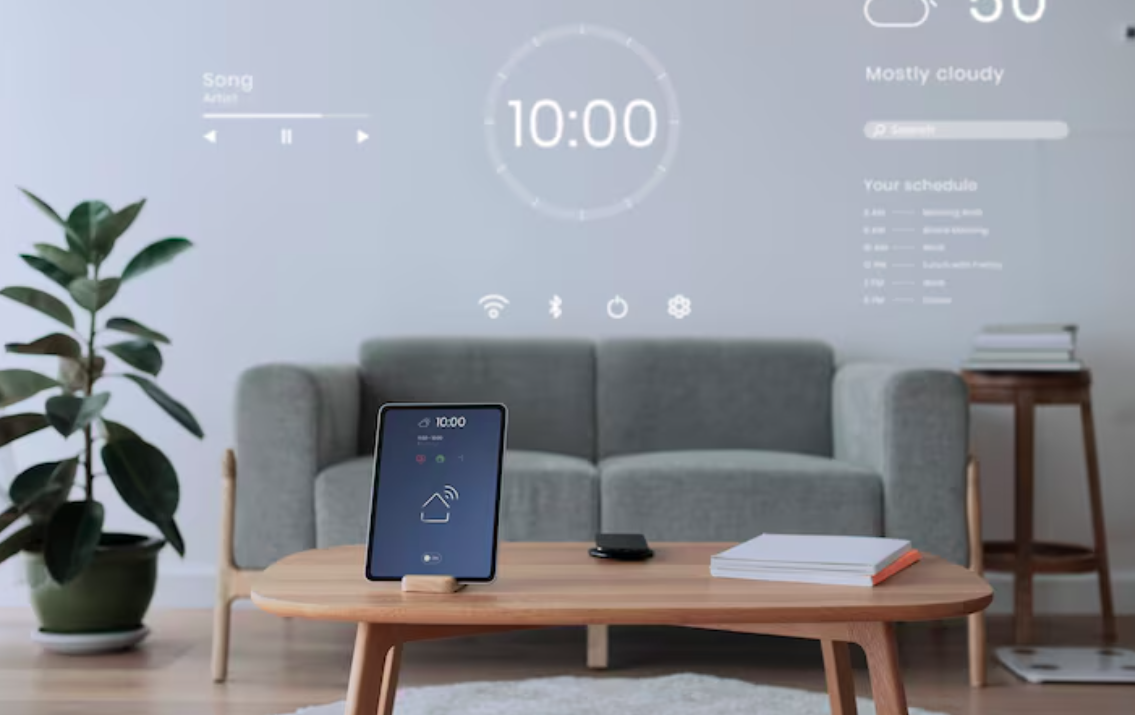
Smart home technology has transformed how we interact with our living spaces, offering unparalleled convenience, energy efficiency, and security. At the heart of any modern smart home ecosystem sits a single, centralized device that orchestrates all your smart appliances, smart switches, and smart sensors.
Choosing the right hub is critical to building a reliable and scalable network that truly simplifies your daily routine. Here are six crucial factors to evaluate when shopping for a home automation controller to manage your smart property.
Evaluate Ecosystem Compatibility and Protocol Support
The primary function of a smart hub is to enable different devices to communicate seamlessly with one another. When shopping for a home automation controller, you must verify which wireless protocols the specific hardware supports out of the box.
Look for hubs that integrate standard protocols such as Zigbee, Z-Wave, Wi-Fi, Bluetooth, and the latest Matter connectivity standard. Choosing a hub with broad protocol compatibility ensures that you can mix and match smart products from different brands without facing annoying connectivity roadblocks.
Assess Local Processing Capabilities Versus Cloud Dependency
Smart hubs handle commands either via external cloud servers or through local processing within the physical device itself. Opting for a home automation controller that prioritizes local processing offers significant advantages in terms of speed, reliability, and personal data privacy.
When a hub processes automation rules locally, your smart lighting and routines continue to function flawlessly even if your internet connection goes down completely. Cloud-dependent hubs, on the other hand, can suffer from noticeable latency and become unresponsive during internet outages.
Analyze Interface Usability and Mobile Application Design
A central hub is only as good as the software interface you use to control it on a daily basis. Ensure the hub you select features a highly intuitive, responsive, and well-designed mobile application for smartphones and tablets.
The software should allow you to create complex automation routines easily, group devices by specific rooms, and monitor your home status at a single glance. Many premium platforms also offer customizable web dashboards that provide advanced users with deep configuration options.
Prioritize Scalability and Maximum Device Capacity Limits
As your passion for smart technology grows, you will likely add more sensors, smart bulbs, automated blinds, and security cameras over time. Therefore, your chosen home automation controller must possess enough processing power and memory to scale alongside your expanding network.
Review the manufacturer specifications to check the maximum number of connected devices the hub can manage simultaneously without experiencing performance drops. Selecting a powerful hub early prevents the need for expensive hardware upgrades later.
Verify Voice Assistant Integration and Smart Ecosystem Support
Most homeowners prefer managing their automated environments using convenient hands-free voice commands alongside mobile applications. Check that your prospective hardware integrates seamlessly with popular voice assistants such as Amazon Alexa, Google Assistant, or Apple Siri.
A well-integrated system allows you to trigger intricate scenes, adjust thermostats, or lock doors using simple voice prompts. Proper ecosystem alignment ensures that your central hub collaborates perfectly with any smart speakers you already own.
Investigate Security Protocols and Regular Firmware Updates
Because smart hubs connect directly to your home network and manage security cameras and door locks, data security is paramount. Research the encryption standards utilized by the manufacturer to protect your sensitive credentials and device activity logs from malicious actors.
Choose a reputable brand known for issuing regular firmware updates to patch software vulnerabilities and introduce new features. Investing in a highly secure hub safeguards your household against unauthorized digital access and network breaches.